
Hendersonville Previous Residents by Era
The record trail for past residents starts with a date range. Recorded land documents can trace ownership, while directory, newspaper, census, probate, and vital sources may add household context. They do not answer the same question. The current parcel address is a useful starting key, but historic research often turns on a legal description, a subdivision name, or an older road variant. Keep owner, mailing, and situs information in separate columns in your notes.
| Source | Years It Covers | Where Held | What It Shows |
|---|---|---|---|
| Register deed books and indexes | Indexes 1786/1787; deed images from 1793 | Sumner County Register of Deeds | Recorded parties, legal descriptions, book/page or instrument leads |
| Deed-of-trust images | From 1970 | Register internet route | Security instruments, not proof of occupancy |
| Polk’s Sumner County City Directory | 2006–2014 verified | TSLA Sumner County finding aid | Later directory lead; confirm a physical holding before relying on it |
| Federal census schedules | Public releases through 1950 | National Archives and appropriate research access points | Historical household context, subject to location and schedule limits |
| Sumner archive series | Series-specific historical runs | Sumner Archives and TSLA finding aids | Newspapers, probate, tax, wills, marriages, deeds, and related materials |
For a current or recent property, begin with parcel facts and the Register. For an older family question, move through the series that fits the date: newspaper, tax, probate, marriage, will, or deed. The TSLA Sumner County fact sheet is the official finding aid for those historical series. Note: no official standalone pre-2006 Hendersonville directory, criss-cross directory, or Sanborn set was verified.
Hendersonville Parcel Start for Past Residents
Use the Sumner property search and the county GIS route to anchor an address before looking backward. The official ArcGIS parcel layer identifies PropAddr as the parcel or situs address and separately exposes owner mailing fields such as OwnAddr1, OwnCity, and OwnState. It also includes owner, sale date, sale price, instrument, parcel identifiers, and geometry. Save the parcel identifier and legal description with the address.
The Sumner Register of Deeds county page is the next official route for the recorded chain.
A mailing address may belong to an owner who does not live at the parcel. That difference is normal. It is a reason to corroborate, not a basis for claiming that a parcel lists the people who lived there.
Hendersonville Register Indexes for Past Residents
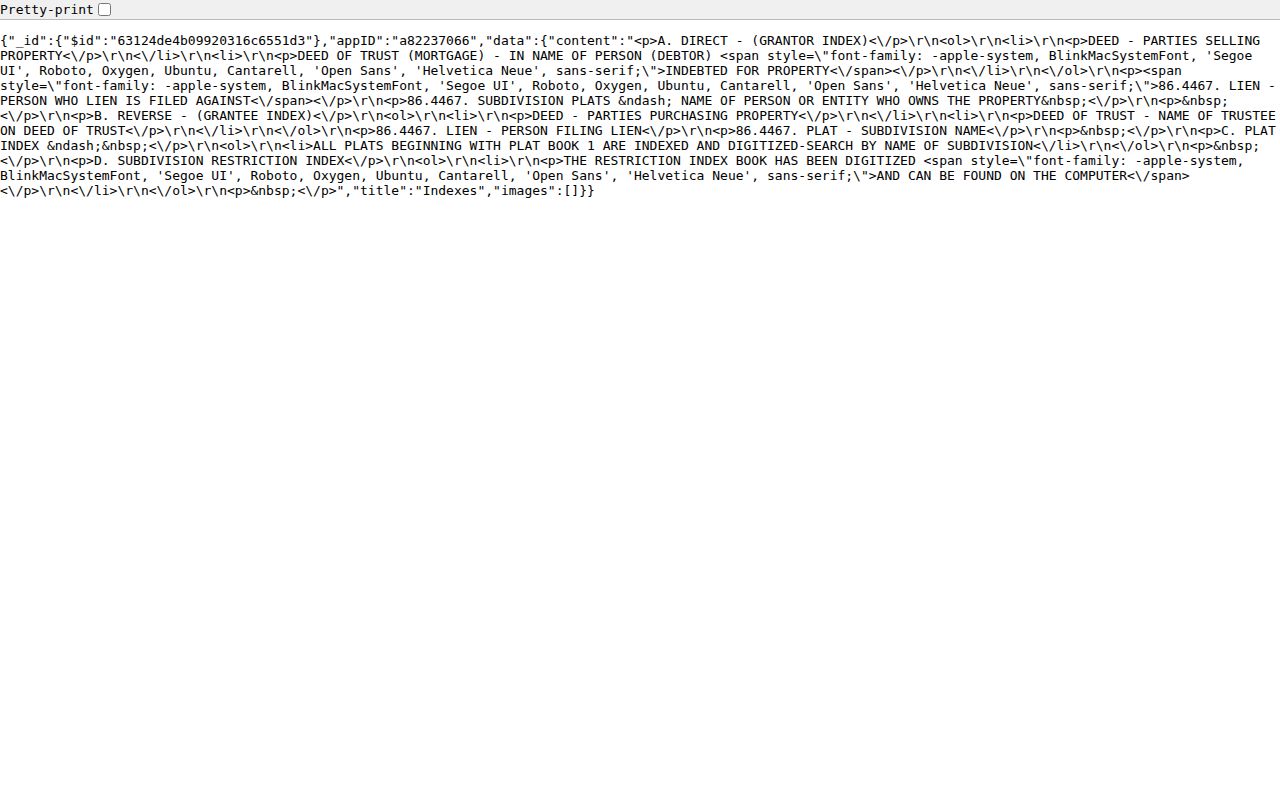
The Register’s index system has several paths. Its index guide describes the grantor or direct index for a seller or other conveying party, and the grantee or reverse index for a purchaser and other listed parties. Search both directions. Then test plat and subdivision-restriction indexes separately. A no-hit result in one index does not eliminate the other index families or instrument classes.
The Register’s index guide displays the direct, reverse, plat, and restriction paths that should be treated as separate searches.
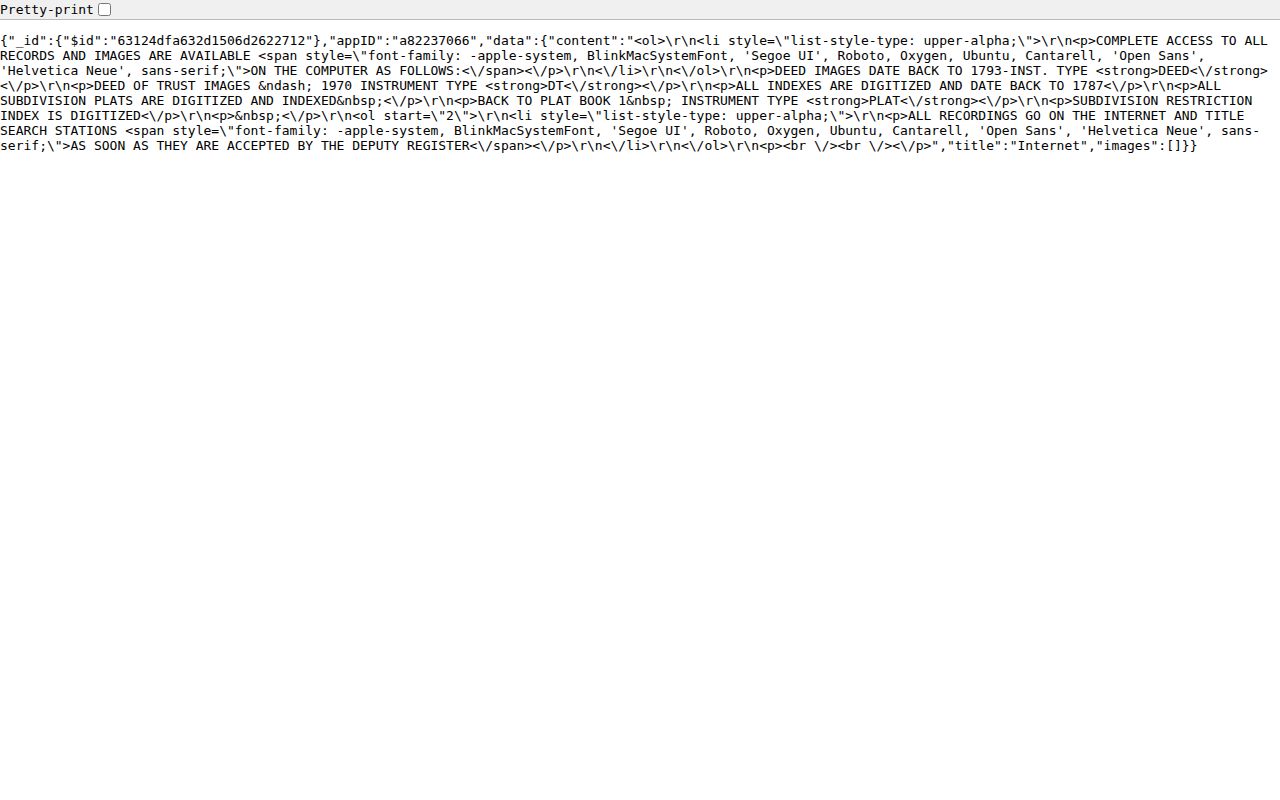
The Register internet-access guide reports deed images back to 1793 and deed-of-trust images back to 1970. It also distinguishes GEN records after January 1988 from earlier DEED and DT or land-mortgage index families.
Images, book/page references, and instrument numbers are leads to read in sequence. The Register says it does not perform title searches, so an index result cannot stand in for a title opinion.
Hendersonville Previous Residents Search Room
The Register public-search-room guide gives a practical on-site workflow. F12 clears a search. Available routes include name, subdivision, class/book/page, and instrument number. After a row is highlighted, arrow-down and Enter open the image. Those instructions help retrieve a known result; they do not create a name match or confirm a person’s connection to the address.
The public-search-room guide records the keyboard and field workflow for a followup document search.
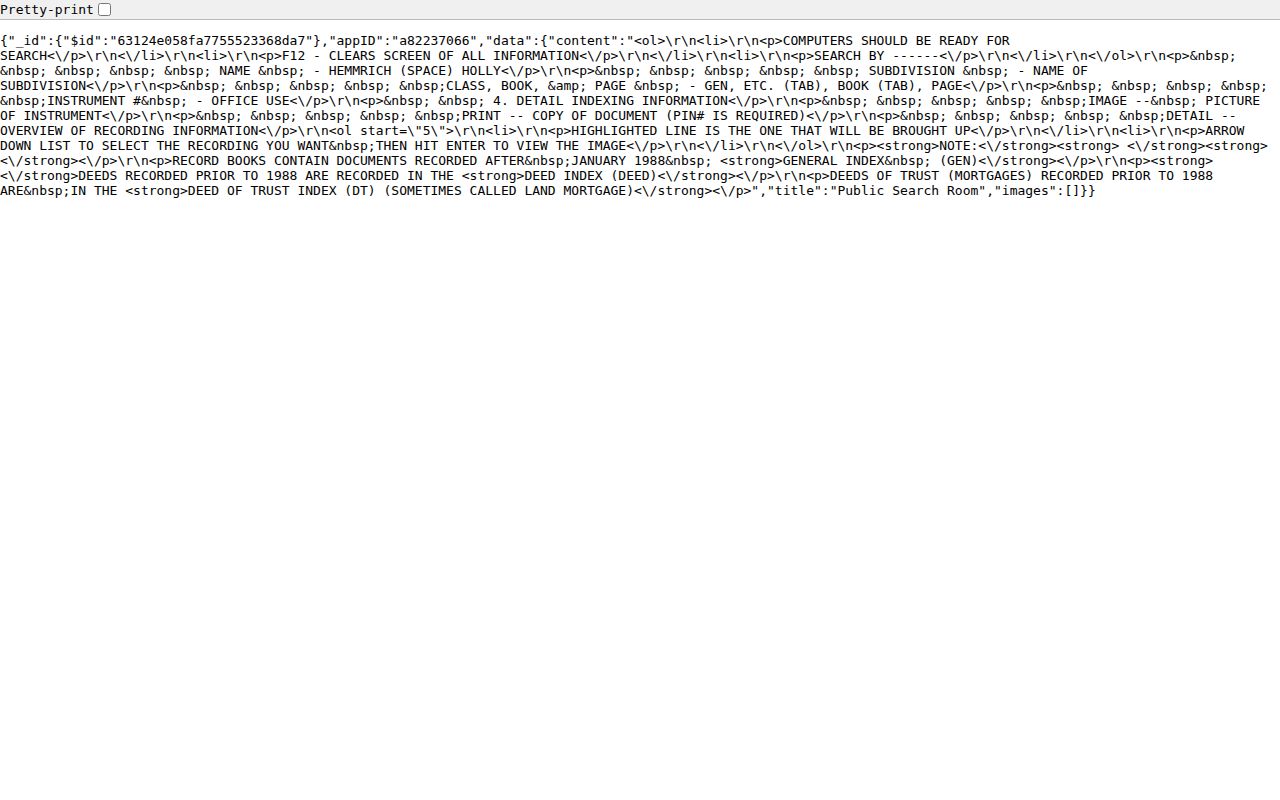
Do not treat the guide’s illustrative name as a resident record. Use the field that fits the document you are seeking, retain the image reference, and compare the legal description with the parcel notes.
Insider tip. Search direct and reverse indexes, then test plat and restriction indexes. Each index answers a different document question, and none proves occupancy by itself.
Tracing Earlier Hendersonville Owners
A chain of title is a sequence of recorded transfers or related instruments tied to the same legal description. It is not a list of past residents. Work backward from a current parcel result, but read the actual document image whenever it is available. Releases, assignments, survivorship terms, easements, and restrictions can affect how the next search should be framed.
- Find the current parcel and preserve its parcel identifier,
PropAddr, legal description, owner, and assessment-linked sale fields. - Search the present owner as a grantee in the Register to locate the purchase or receiving instrument.
- Read the image, record the grantor, instrument type, recording reference, and legal description.
- Search that earlier party in the reverse and direct paths as the document sequence requires, then compare the legal description before treating it as the same property.
- Check subdivision plats and restrictions, then read releases or assignments that may be linked to later instruments.
- Grantor
- The party conveying property in a deed or other recorded instrument, as the Register’s direct-index guidance describes.
- Grantee
- The party receiving property in a deed, commonly a purchaser in the Register’s reverse index.
- Chain of title
- The document-by-document ownership and interest trail linked by the same property description.
- Legal description
- The recorded description that identifies land more reliably than a modern street address when lots, numbers, or roads change.
Hendersonville Archive Searches
Sumner Archives holds older deeds, wills, loose lawsuits, probate, books, microfilm, and county historical material. It is at 365 N Belvedere Drive in Gallatin, with posted Monday through Friday hours of 8:00 a.m. to 4:30 p.m. Call 615-452-0037 or use archives@sumnercountytn.gov to confirm a visit question. Archives research is organized by record family, not by one countywide every-name database.
On-site rules include pencils only, no bags, cameras, phones, food, or drink, and no reshelving. Copy work should be ordered by 4:00 and paid by 4:15. Those limits are part of the access process, not a reason to skip the archive when an earlier document is not online.
Hendersonville Addresses Before City Records
Hendersonville incorporated in July 1969 and began city operations on August 1, 1969, according to the city-history page. Earlier address questions may lead to county, church, newspaper, state, deed, tax, or archive material instead of municipal files. A historic street label can remain useful, but a current street number may not map cleanly to an older document.
The 1878 Hendersonville map transcription can bridge an old landmark or street reference to deeds, tax lists, and later parcel work. It is a discovery aid. Map labels can be landmarks, owners, or other labels, and should not be treated as a household list. No official Hendersonville street-renumbering index was located in the source pass.
Hendersonville Newspaper Clues for Past Residents
The TSLA Sumner finding aid identifies two newspaper collections with name indexes: Volume 1 covers 1820–1907 and Volume 2 covers 1860–1917. A newspaper reference can place a surname near a date, address clue, probate event, or family relationship. It should be read as a lead, then compared with the underlying deed, will, marriage, tax, vital, or census evidence that fits the event.
For a historical household, preserve the newspaper volume, date, page, spelling, and the exact statement that matters. A notice may use a community or landmark description instead of a modern parcel address. That detail can guide a map or deed search without proving that every named person lived at the same location.
Past Hendersonville Households
Recorded ownership is only one layer of a house history. The verified Polk Sumner County directory run, newspapers with name indexes, federal census schedules, obituaries, cemetery material, and probate records can supply household context for the right time period. Each source needs a careful date comparison. An address in a directory can be useful, while an obituary or probate record may relate to a person after a move or death.
- Record the year and exact address wording from a held directory or other dated historical source.
- Check the nearest available census release and preserve its place labels rather than forcing a modern address onto it.
- Compare the household clue with the deed chain, newspaper index, probate record, or obituary as the date requires.
- Mark a link as uncertain when a street, number, municipal boundary, or spelling does not align.
- Use original images or custodial copies to resolve material conflicts instead of choosing the most convenient result.
The collection details belong with the Hendersonville city-directory collections, which separates the verified Polk material from unconfirmed historical runs. Census and directory evidence can describe a past household, but neither should be stretched into a current-person claim.
Lawful house-history use. Use previous-resident research for family history, estate or heir questions, and personal property history. Do not use a historical trail to track, harass, or target a living person.
Hendersonville Vital Dates for House History
When a household trail reaches a birth, death, marriage, divorce, or annulment record, Tennessee’s public thresholds matter. Tennessee Vital Records follows T.C.A. §68-3-205(e): birth records become public after 100 years, while death, marriage, divorce, and annulment records become public after 50 years, subject to custodial rules. Recent certified records have eligibility, identity, and fee requirements.
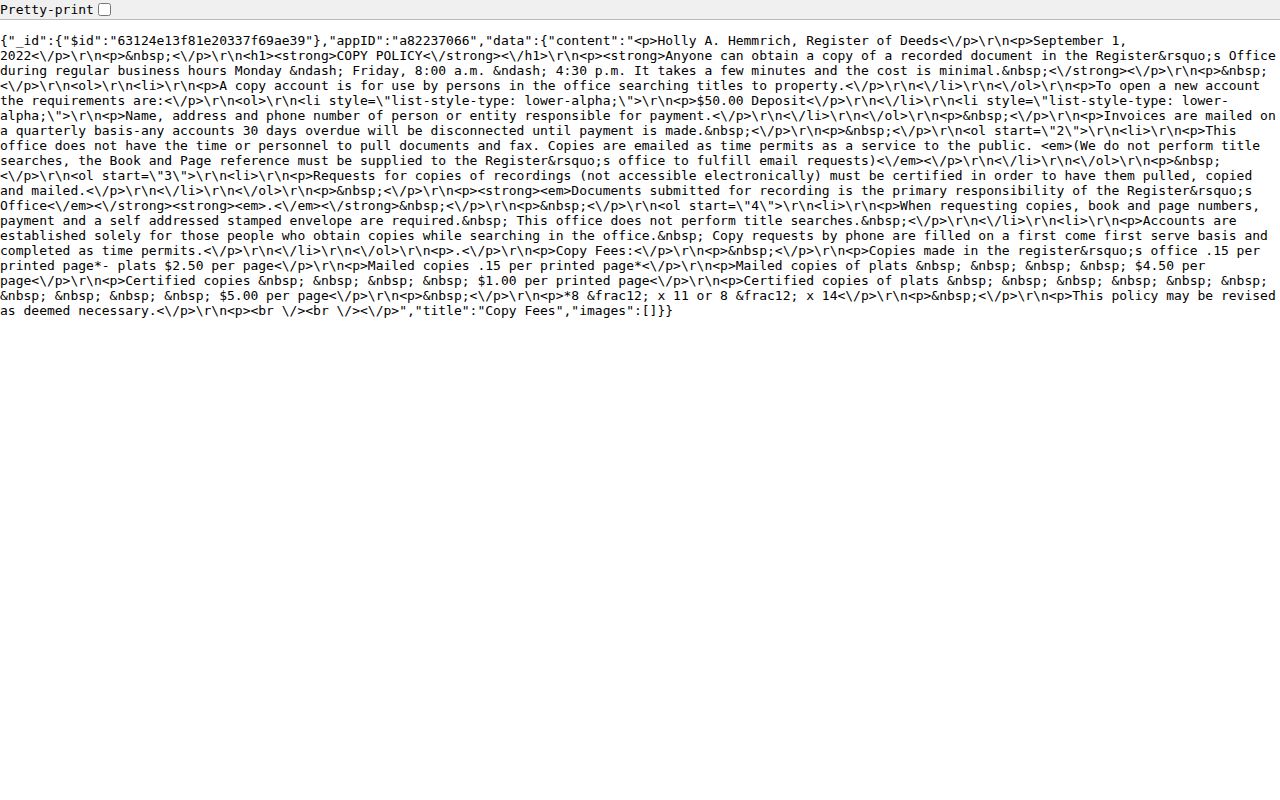
The Register copy-fee guide is shown here because document costs and copy types should be checked before ordering a deed or plat.
For historical family research, compare a vital-record date with TSLA or archive indexes and retain the custodian, date range, and document type in the research log. A current fee or access route can change, so use the office source when ready to request a copy.